
Crate Training Your Dog: 7 Simple Steps You Should Follow
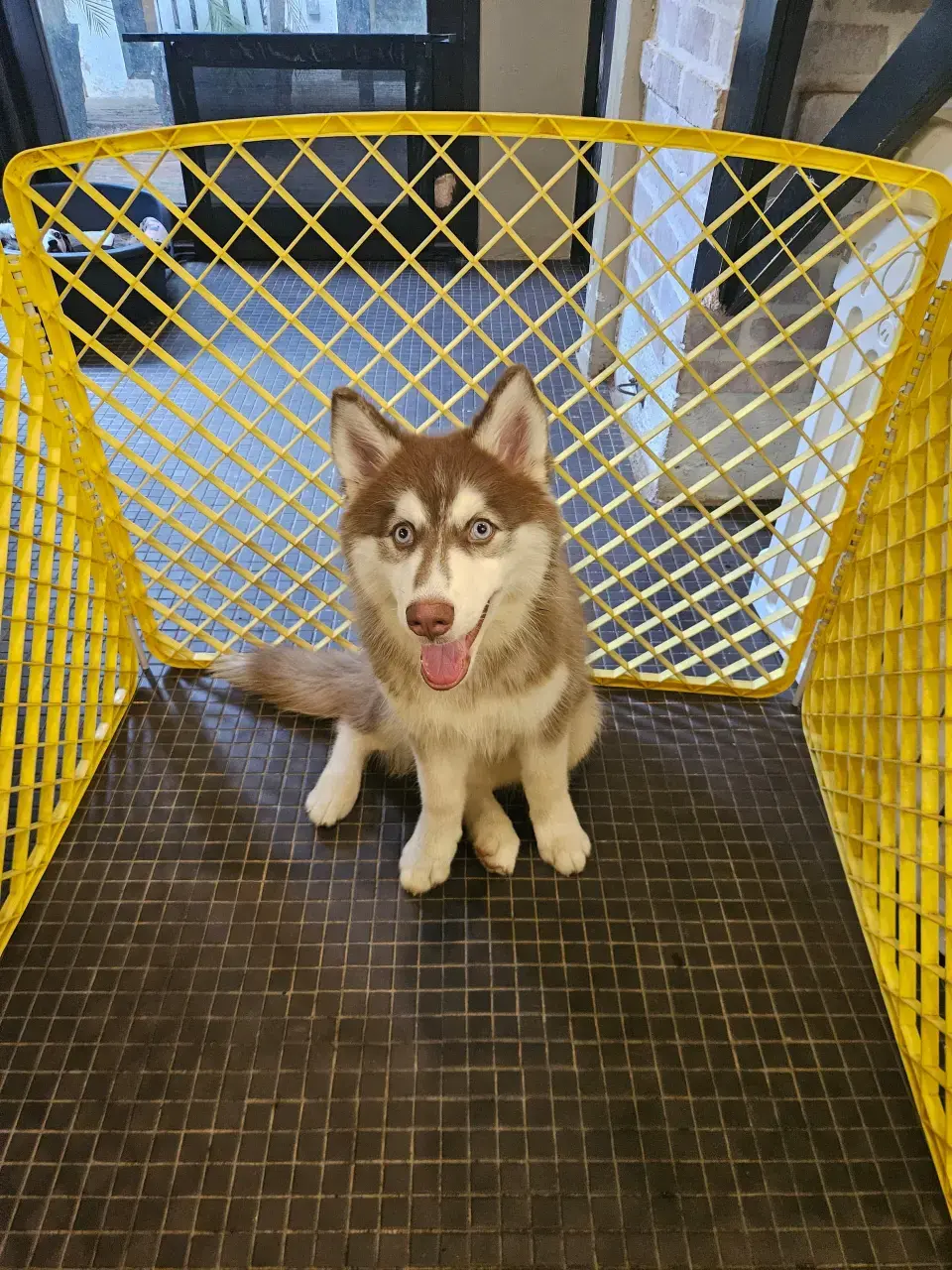
Crate Training Your Dog: 7 Simple Steps Every KL Pawrent Should Follow
Crate training often gets a bad rep—some think of it as “caging” their dog. But in truth, crate training is one of the kindest, most effective ways to give your dog a sense of structure, comfort, and calm. Instead of thinking of it as “confinement”, what crate training is really about is creating a safe space your dog can call their own.
For KL pawrents, especially those living in condos or high-rise apartments, crate training can be a game-changer. It helps with everything from house training to easing separation anxiety and reducing destructive behaviours when you’re out and about.
At Fetch Me Later, crate training is part of our Fetch Me Some Skills programme—because we believe every pup deserves a peaceful place to rest and reset.
Ready to give your pup their little sanctuary? Here are 7 simple steps to get you started.
Step 1: Choose the Right Crate for Your Pup
The right crate sets the tone for the entire training journey. So, what should you look for?
- Size matters: Your dog should be able to stand up, turn around, and lie down comfortably—but not have so much space that they can “go potty” in one corner and chill in another.
- Material options: Wire crates offer good ventilation and visibility, while airline-style plastic crates are more enclosed and are great for dogs who love a cosy den feel.
- For growing pups: Consider getting a crate with a divider so you can adjust the space as your puppy grows.
Pro tip: If you’re unsure, our nannies at FML can help you pick the right crate size and type during your pup’s skills sessions.
Step 2: Create a Positive First Impression
Your pup’s first few interactions with the crate will set the tone. So make it inviting!
- Leave the crate door open and toss a few treats inside.
- Let them explore it on their own terms— no pressure, no force.
- Toss in a favourite toy or even feed their meals in the crate to build a strong positive association.
Think of it like introducing them to a comfy Airbnb room—treats on the pillow included.
Step 3: Start With Calm Moments
One common mistake? Trying to crate your pup when they’re still buzzing with energy.
Instead, bring them into the crate when they’re already relaxed, like after a walk or play session. Start with short durations, say 5–10 minutes, and gradually build up.
The goal? Help your pup associate the crate with rest, not restriction.
Step 4: Make the Crate a Comfortable Hangout
You don’t need a fancy setup. Sometimes, less is more.
- Try a simple crate mat or folded towel.
- Avoid plush bedding if your pup’s a chewer or still learning potty habits.
Important safety tip:
Remove all collars, harnesses, and tags when your pup is inside the crate to prevent snagging.
You’re aiming for a den-like environment—simple, secure, and just for them.
Step 5: Introduce Crate Games and Treat Time
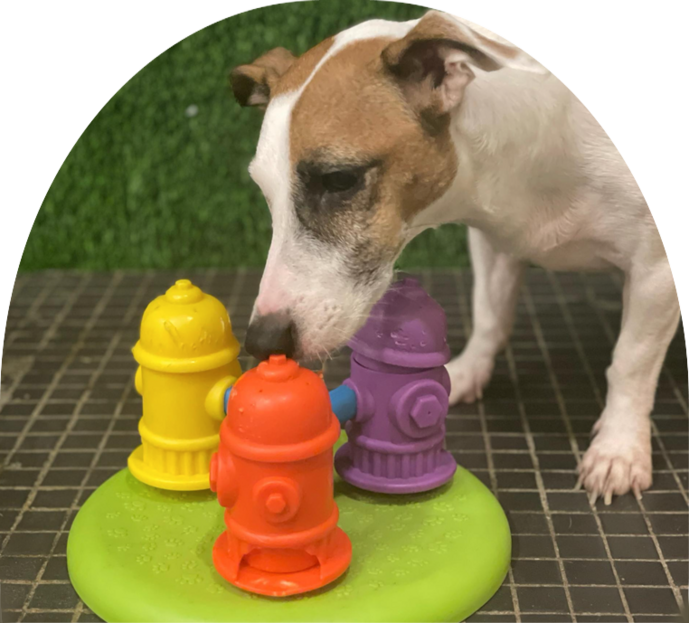
This is where the fun begins. The more your pup enjoys crate time, the smoother the training.
- Play “crate fetch” by tossing a toy or treat inside.
- Hide surprise snacks in the crate for them to discover.
Pro Tip:
If you have a Kong toy lying around, you can stuff it with peanut butter or wet food and freeze it — it keeps them engaged and teaches them that crate time = treat time.
Games like these help your dog see the crate as something they choose to enter, not a place they’re sent to.
Step 6: Stick to a Crate Schedule
Dogs thrive on routine, and crate training is no exception.
- Young puppies can usually stay in a crate for one hour per month of age (e.g., a 3-month-old = 3 hours).
- Adult dogs shouldn’t be crated for more than 4–6 hours during the day, excluding overnight sleep.
- Make sure your pup gets plenty of time outside the crate for walks, play, and bonding.
Remember: a crate is a tool, not a substitute for exercise or companionship.
Step 7: Practice Short Separations First
Once your pup is used to chilling in the crate, it’s time to test some short alone time.
- Try stepping out for 10–15 minutes—a quick kopitiam run or walk to the mamak.
- Use a pet camera if you want to observe their behaviour (Are they calm? Do they nap? Or do they bark or pace?).
Eventually, your dog will learn that the crate isn’t a place of abandonment, but a safe space during short breaks apart.
Common Mistakes to Avoid
(Quickfire reminders!)
- ❌ Using the crate as punishment.
- ❌ Leaving your dog in there too long.
- ❌ Expecting progress overnight.
Stay calm, stay consistent, and trust the process.
Crate Training for City Dogs: Why It Works in KL
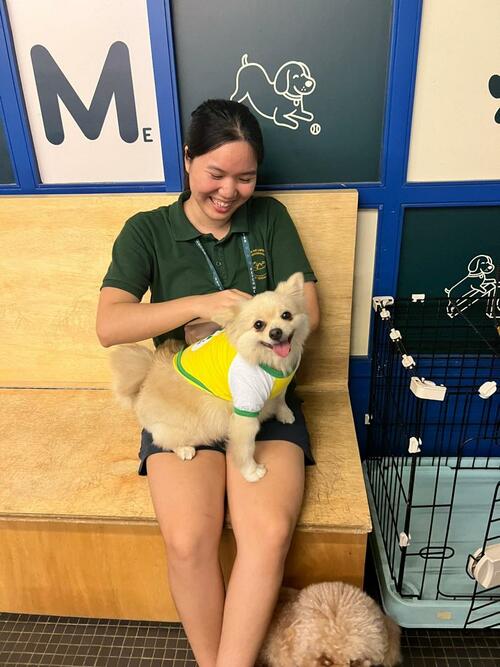
Life in Kuala Lumpur can be fast-paced, unpredictable, and sometimes noisy. That’s exactly why crate training is a gift to your dog.
Whether you're heading out for work, running errands, or welcoming guests, the crate becomes your pup’s quiet zone—a place to reset and feel secure amidst the city’s chaos.
Plus, for high-rise dwellers, it’s a smart way to manage behaviour when you’re not around to supervise.
Start Your Pup’s Crate Training Journey With FML
At Fetch Me Later, crate training is more than just a skill—it’s a building block for confident, well-behaved dogs. Our Fetch Me Some Skills programme integrates crate training into your pup’s learning plan, all guided by patience.
Whether you’re just starting or struggling midway, our trainers are here to help both you and your dog succeed.
Ready to give your pup a happy place to call their own?
Contact us here to learn more, and let’s fetch those good habits together!
