
Dog Training in Kuala Lumpur: A Complete Guide to Behaviour, Obedience and Professional Care

Dog Training in Kuala Lumpur: A Complete Guide to Behaviour, Obedience and Professional Care

Dog training is one of the most important foundations for raising a calm, well-behaved dog, especially in a busy city like Kuala Lumpur. Many behaviour issues are not caused by stubbornness or poor temperament, but by unclear communication, lack of routine, or inconsistent reinforcement.
This guide explains what dog training really involves, the skills every dog should learn, common behaviour problems, and when professional support can help dog owners in Kuala Lumpur make faster and more sustainable progress.
What Dog Training Really Means for City Dogs
Dog training is the process of teaching dogs how to behave appropriately in everyday life. It goes beyond basic commands such as sit or stay.
Effective dog training helps dogs understand:
- How to respond to human cues
- How to remain calm in stimulating environments
- How to interact safely with people and other dogs
- How to build healthy daily habits such as toilet routines and rest periods
Modern dog training methods focus on learning theory and reinforcement rather than punishment. You can find an overview of training principles and learning theory in this general reference on canine learning concepts.
Why Dog Training Is Important in Kuala Lumpur
Dogs living in Kuala Lumpur face unique challenges:
- Apartment and condo living
- High noise levels and constant stimulation
- Busy owner schedules
- Limited safe socialisation opportunities
Without structured dog training, these factors can contribute to barking, pulling on the leash, anxiety, or destructive behaviour. Training provides dogs with predictability and confidence, which is especially important in an urban setting.
Essential Dog Training Skills Every Owner Should Teach
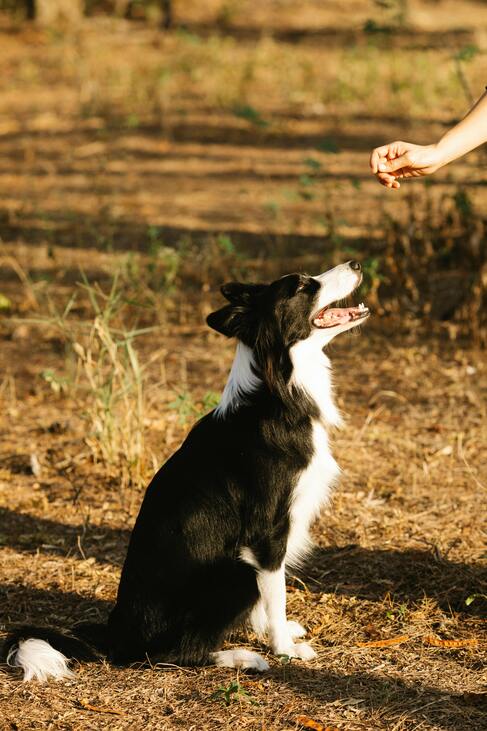
1. Name, Response and Attention
A dog that responds reliably to their name is easier to train and manage in distracting environments.
2. Sit, Down and Stay
These basic positions build impulse control and help dogs remain calm in everyday situations.
3. Recall
Recall training teaches a dog to return when called, improving safety and trust.
4. Loose Leash Walking
Leash training reduces pulling and makes daily walks safer and more enjoyable.
5. Settle and Calm Behaviour
Teaching a dog to relax on cue is essential for apartment living and busy households.
Dog Training Methods That Are Effective and Humane

Successful dog training relies on three core principles:
- Clear and consistent cues
- Reinforcement of desired behaviour
- Gradual increase in difficulty
Positive reinforcement plays a key role in helping dogs repeat behaviours that lead to good outcomes.
This general learning reference explains how canine conditioning helps.
Common Dog Behaviour Problems and Their Causes
Many common problems are symptoms of unmet training needs.
- Pulling on the leash is often caused by excitement and lack of guidance
- Jumping on people is usually reinforced by attention
- Excessive barking may stem from stress or boredom
- Reactivity often results from fear or frustration
- Separation issues can develop without gradual independence training
Understanding the cause of behaviour is essential for effective dog training.
DIY Dog Training Tips for Busy Owners
For busy owners, structure is key.
A simple daily routine includes:
- Short training sessions of five to ten minutes
- Rewarding calm behaviour throughout the day
- Practising skills before distractions increase
- Using management tools such as leashes or gates
- Avoiding repeated commands that reduce responsiveness
When Professional Dog Training Is the Better Choice
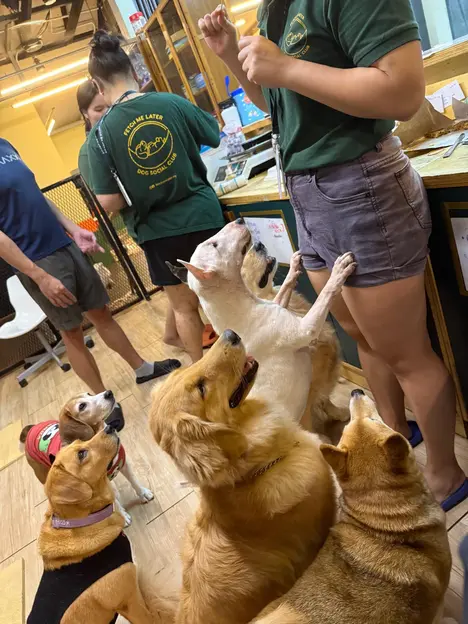
Professional dog training becomes valuable when:
- Behaviour issues affect safety
- Owners struggle with consistency
- Dogs show anxiety or reactivity
- Faster progress is needed
A structured approach often leads to more reliable and lasting results.
Choosing the Right Dog Trainer in Kuala Lumpur
Before choosing a trainer, owners should consider:
- Training approach and philosophy
- Clear explanations of goals and progress
- Experience with similar behaviour challenges
- Compatibility with the owner’s schedule
Clubs and organisations that run structured obedience programs often reflect good training standards. This example shows how structured programs are typically organised.
How Fetch Me Later Supports Dog Training Outcomes
Fetch Me Later provides structured dog care and training support in Bangsar, Kuala Lumpur.
👉 Learn more about Fetch Me Later’s dog training support here.
Through personalised training sessions and routine-based programs, dogs benefit from:
- Consistent daily routines
- Supervised social exposure
- Calm rest periods
- Reinforcement of good behaviour
👉 For puppies, Fetch Me Later’s Some Skills program integrates basic training into daycare routines, supporting early learning and confidence building.

Frequently Asked Questions About Dog Training in Malaysia
1. Is my dog too old for dog training?
Dogs can learn at any age, although timelines may vary.
2. Is private or group dog training better?
Private training suits specific behaviour issues, while group training helps with controlled distractions.
3. Can daycare support dog training?
Daycare alone is not training, but structured programs can reinforce positive habits when combined with guidance.
Final Thoughts on Dog Training in Kuala Lumpur
Dog training is an investment in a dog’s long-term wellbeing and an owner’s quality of life. With the right structure, consistency, and support, most behaviour challenges can be improved significantly.
For dog owners in Kuala Lumpur seeking practical guidance and structured support, professional care can make dog training more effective and sustainable.
