Dog Zoomies: Normal or Something to Worry About?
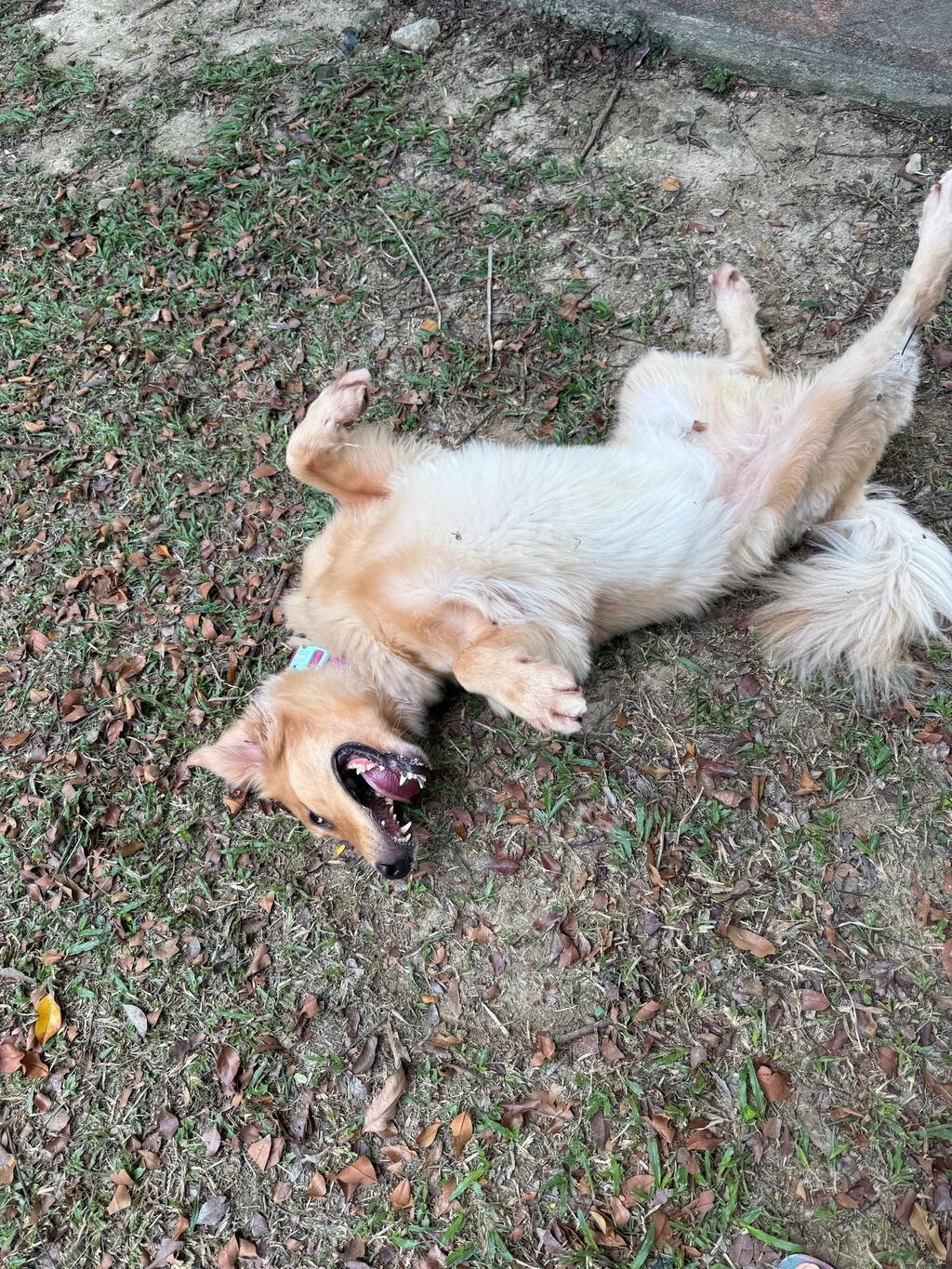
Dog Zoomies: Normal or Something to Worry About?
If you’ve ever seen your dog suddenly sprint around the house in wild circles — tail tucked, eyes wide, tongue flopping — you’ve witnessed the famous phenomenon known as the “zoomies.” It might look a little chaotic (or even alarming), but it’s a very common behaviour among dogs.
So, what exactly are zoomies? Are they normal, or could they be a sign that something’s wrong? In this guide, we’ll unpack everything you need to know about dog zoomies — from what causes them to when they might need your attention, plus how to keep your dog safe when the zoomies strike.
What Are Dog Zoomies?
The scientific term for zoomies is Frenetic Random Activity Periods — or FRAPs, for short. These short bursts of hyperactivity usually involve your dog sprinting in circles or zig-zag patterns, with playful bounces and exaggerated body movements. You might also notice their back end tucked under and a gleeful glint in their eye.
Zoomies are completely normal, and they’re most commonly seen in puppies or young adult dogs who are still figuring out how to channel their energy. That said, even older dogs can experience them from time to time.
Zoomies often don’t last more than a minute or two, but they’re usually unforgettable (and very entertaining) while they’re happening.
What Causes Zoomies in Dogs?
While zoomies may seem random, there are actually a few common reasons behind this energetic display. Understanding the “why” can help you manage or even prevent zoomies when needed.
1. Energy Overflow
Dogs, especially young and active breeds, build up energy throughout the day. If they don’t have enough opportunities to release it through physical activity or mental stimulation, the result may be a zoomie session.
2. Emotional Triggers
Zoomies can be triggered by moments of heightened emotion, like excitement, relief, or even stress. For example:
After a bath: Some dogs zoom around to dry off, others are simply relieved that bath time is over.
After a poop: This quirky but common behaviour might be a result of feeling physically lighter or just excited by the sensation.
When you come home: The joy of reunion can set off a zoomie celebration.
After a stressful moment: Dogs may “shake off” stress by running it out — literally.
3. Time of Day
Dogs are crepuscular creatures, meaning they’re naturally more active at dawn and dusk. If you notice zoomies happening regularly in the early morning or evening, it may be tied to their internal rhythms.
Are Zoomies a Sign of a Problem?
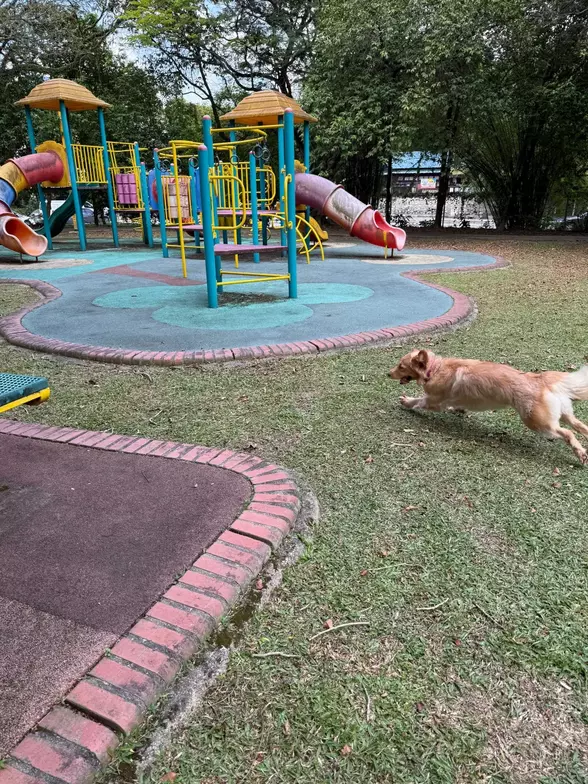
In most cases, zoomies are completely harmless and simply part of normal canine behaviour. But it’s important to observe your dog’s body language to understand what their zoomies might be telling you.
Happy Zoomies vs. Stressed Zoomies
Joyful zoomies are easy to spot: your dog’s body will be loose and wiggly, their tail may be high or wagging, and their tongue will hang in a relaxed, floppy way. You might even see a few playful play bows — front legs down, bum in the air.
Stressed zoomies, on the other hand, may come with:
- Wide eyes or whale eye (showing the whites)
- A low, tightly tucked tail, even when standing still
- Tense or stiff body movements
- Repetitive or obsessive running patterns
If your dog is showing these signs, it may be that they’re overwhelmed and using movement as a way to cope. Take a moment to remove them from the situation, offer comfort, and reassess what might have triggered their stress.
When to Be Concerned
Zoomies are usually fine, but talk to your vet or a certified behaviourist if:
- Zoomies happen constantly throughout the day
- They interrupt sleep at night (especially in adult dogs)
- Your dog seems unable to settle even after zooming
- The behaviour seems compulsive or includes signs of distress
In such cases, excessive zoomies could be a sign of under-stimulation, anxiety, or even a neurological condition, though this is rare.
How to Keep Zoomies Safe
Zoomies themselves aren’t dangerous, but your dog’s environment might be. A slippery floor or cramped hallway can quickly turn a fun moment into a painful accident.
Tips to Zoomie-Proof Your Home
- Clear the path: Make sure there’s space for your dog to run without crashing into furniture, stairs, or breakables.
- Secure the floors: Use rugs or carpet runners to provide grip on hardwood or tile surfaces.
- Avoid stairs: If possible, close off access to stairs to prevent injury during a high-speed session.
Encourage Safe Zooming
If your dog tends to zoom indoors where it’s less safe, gently redirect their energy to an open, secure outdoor space (like a fenced yard or dog park). Some dogs even learn to “save” their zoomies for these moments with a bit of routine.
What If Zoomies Happen on Walks?
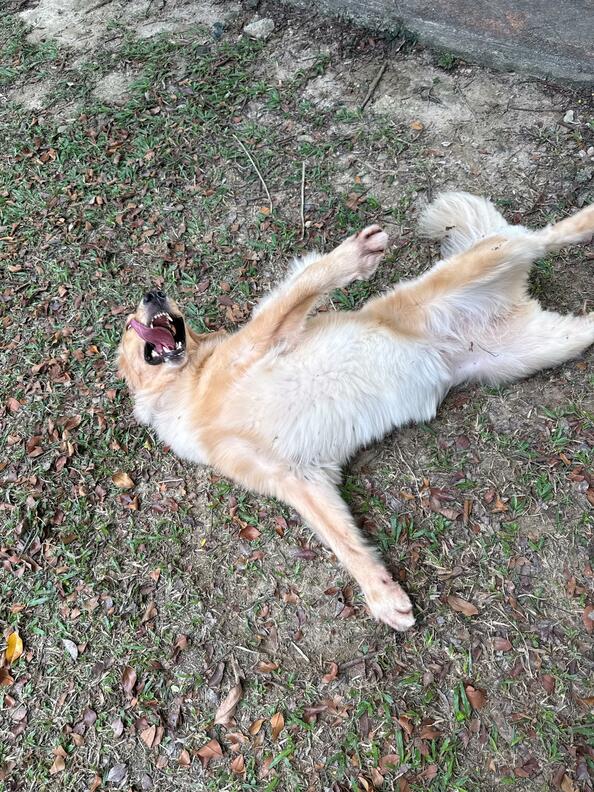
It can be a little nerve-wracking when zoomies happen off-leash, especially in an open area where your dog might run far.
Don’t Chase — Redirect!
Chasing after your dog may only fuel the fun. Instead:
- Run in the opposite direction to get their attention and encourage them to follow.
- Toss a few high-reward treats on the ground right as you unclip their leash to build a habit of sticking nearby.
- Use a recall cue if trained, followed by lots of praise or treats when they return.
If your dog is prone to zooming in areas near roads or other hazards, consider using a long-line leash. This gives them space to run safely while still keeping them secure.
How to Reduce Unwanted Zoomies
If your dog’s zoomies are happening too often or at inconvenient times (like midnight sprints on the couch), it may be time to adjust their daily routine.
1. Physical Exercise
Tailor your dog’s physical activity to their age, breed, and energy level. For example:
- High-energy breeds may need multiple walks, off-leash play, or structured activities like fetch or agility
- Senior dogs still need movement, but at a gentler pace
2. Mental Stimulation
A tired brain is just as important as a tired body! Try:
- Puzzle toys and treat-dispensing games
- Scent-based games like hide-and-seek or snuffle mats
- Basic training refreshers or new tricks to engage their mind
3. A Calming Routine
Sometimes, zoomies are simply a release of nervous tension. Build a calm routine around bath time, bedtime, or other known triggers using:
Gentle massage or brushing
- Calming music or white noise
- A quiet space where your dog can retreat if needed
A Simple Dog Poop Health Checklist
Tick off this list weekly to keep your dog’s gut in check:
- Poop is medium brown
- Firm and easy to pick up
- No blood, mucus, or greasy sheen
- Regular frequency (1–2x per day)
- No signs of pain or straining
- Nothing odd inside (e.g. worms, plastic, fur)
Zoomies Are Normal — and Kind of Wonderful
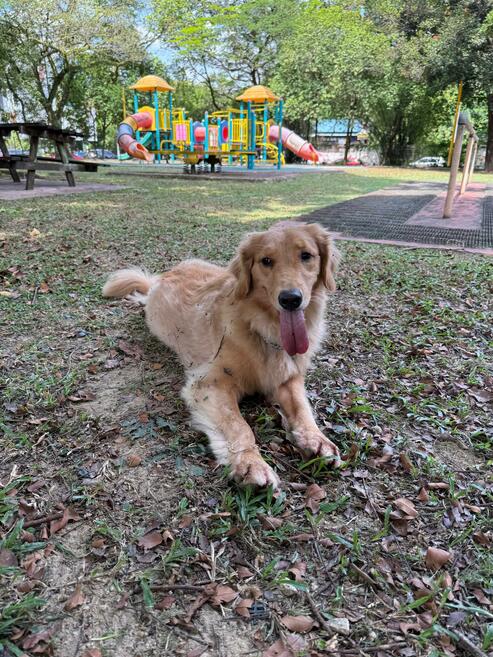
In most cases, zoomies are just a joyful expression of energy and emotion — a sign your dog is feeling good (or just drying off from a bath). As long as your dog is safe, healthy, and happy, there’s nothing to worry about.
With a bit of understanding and some zoomie-proofing, you can enjoy these silly, spirited moments alongside your dog. And if you ever feel unsure, your vet or dog trainer is just a conversation away.
Want to learn more about dog behaviour? Check out our guide on why your dog stares at you — it might just surprise you.