
How to Potty Train a Dog: A Step-by-Step Guide for Malaysians
How to Potty Train a Dog: A Step-by-Step Guide for Malaysian Pawrents
Welcoming a new puppy or dog into your home is exciting, but it also comes with the challenge of teaching them where and when to go potty. Potty training is one of the first big lessons your dog will learn, and while it takes time and patience, the results are well worth it. With the right steps and a little consistency, your furry friend will soon learn what’s expected of them, and you can enjoy a cleaner, happier home.
Whether you’re in a landed house or a high-rise condo in KL, this guide is designed to help you potty train your dog in a way that suits your lifestyle. Here’s how to get started.
When Should Your Dog Start Potty Training?
The best time to start potty training is as early as 8 weeks old. At this age, puppies are more receptive to learning new habits. That said, adult dogs can absolutely be potty trained too—they may just take a little longer, especially if they have previous habits to unlearn.
Look for signs of readiness, like your dog showing curiosity about the outdoors, sniffing around before peeing, or sticking to a rough eating schedule. These are clues that they’re ready to learn.
Establish a Routine
Dogs thrive on routine. Setting up a consistent schedule will help your dog understand when it’s time to eat, play, and go potty. A good rule of thumb for puppies is that they can hold their bladder for about one hour per month of age. So, a 3-month-old puppy will likely need a potty break every 3 hours.
Here’s a sample routine:
- First thing in the morning
- After meals
- After playtime
- After naps
- Before bedtime
Feeding your dog at the same time each day also helps create a predictable potty schedule. The more regular their input, the more regular their output.
Choose a Designated Potty Spot
Pick one spot where your dog can relieve themselves consistently. If you’re in a landed property, this could be a corner of your backyard. For condo dwellers, you can use pee pads, a small balcony area, or even a pet grass patch.\
Take your dog to the same spot every time and use a specific word or phrase like “go potty” or “business time” while they’re doing their thing. Over time, they’ll start to associate the phrase with the action.
Offer Immediate Praise (Not Later!)
The moment your dog does their business in the right spot, let them know they’ve done well. This could be in the form of verbal praise ("Good job!") or a small treat. The key is to do this immediately after they finish. If you wait until they’re back inside or distracted, they won’t connect your reaction to their action.
On the flip side, if your dog has an accident indoors, skip the scolding. Dogs don’t understand delayed reactions, and scolding after the fact will only confuse them.
Want more tips and insights on positive dog training? Read our Beginner’s Guide to Positive Dog Training for more!
Keep a Watchful Eye Indoors
Until your dog is fully potty trained, they should be closely supervised when indoors. Watch for tell-tale signs that they need to go: sniffing around, circling, whining, or suddenly disappearing to a quiet corner.
If you notice any of these behaviours, calmly bring them to their potty spot. The goal is to catch them before they have an accident.
A good trick is to keep your puppy on a short leash indoors, tethered to you or a nearby piece of furniture. This makes it easier to watch them and prevents them from sneaking off to do their business unnoticed.
Use Crate or Area Confinement Wisely
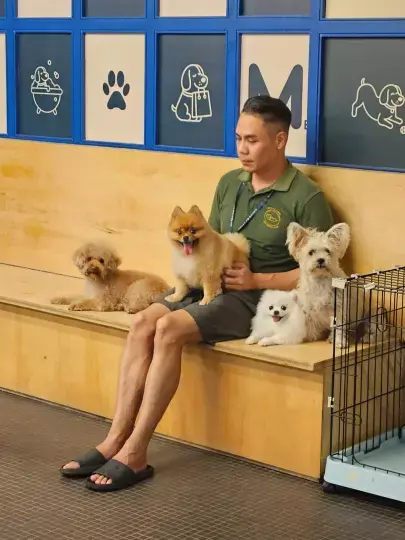
When you can’t supervise your dog, confining them to a small, safe space can help prevent accidents. Most dogs will naturally avoid soiling their sleeping area.
You can use:
- A crate (appropriately sized)
- A gated-off laundry room or bathroom
The space should be just big enough for them to stand, turn around, and lie down. If your dog is crated or confined for a few hours, make sure to take them directly to the potty spot as soon as they’re let out.
It’s important that the crate or area isn’t used as punishment. It should feel like a safe, calm space.
Accidents Will Happen
Even the most well-behaved dogs will slip up. Instead of getting frustrated, use accidents as learning opportunities.
Here’s what to do:
- Clean up the mess thoroughly to eliminate any lingering smell (enzymatic cleaners are best).
- Don’t scold or punish your dog.
- Think about what might have led to the accident: Was it too long between potty breaks? Did they eat at an unusual time?
If you catch them in the act, gently interrupt with a calm “Eh-eh!” and bring them to their potty spot.
Plan Ahead If You're Away
If you're working long hours or need to be out for more than 4–5 hours, you’ll need a plan. Puppies especially can’t hold it for long periods.
Options include:
- Asking a trusted friend, family member or neighbour to help
- Hiring a pet sitter or dog walker.
- Creating a designated indoor potty zone with pee pads or a sod patch.
If you go the indoor route, make sure the area is clearly defined and separate from where your dog eats and sleeps. You can even place some of their previous accidents (like a used pee pad or lightly soiled tissue) in the spot to help them recognise the scent and understand what it’s for.
But what if you don’t have someone nearby to help, or you're not keen on leaving your pup alone for long hours?
Let Us Come to You: Fetch Me Visits
This is where Fetch Me Visits comes in. It’s our in-home pet sitting service for dogs (and cats too!), perfect for pawrents who want their pets cared for in the comfort of their own home — especially during crucial potty training stages.
Whether you're working late or running errands, our trained nannies can swing by for a one-hour visit to:
- Feed your pup
- Clean up any pee or poo
- Play and offer companionship
- Take them for a short walk (if they’re calm and trained)
- And most importantly — send you regular updates so you know how your furkid’s doing
Safety first: All visits are recorded via body cam, and our team is made up of in-house staff, not freelancers — so you know exactly who’s entering your home.

We currently cover areas like Bangsar, Damansara Heights, Sri Hartamas, Mont Kiara, and Petaling Jaya. Rates start from RM60 per visit, and we even offer discounted add-ons for households with multiple dogs.
So if you can’t be home and still want your potty training progress to stay consistent, Fetch Me Visits is a reliable (and flexible) option.
Apartment & Condo Tips
For city pawrents living in high-rises, potty training comes with extra challenges. Here’s how to adapt:
- Keep a pee pad or artificial grass tray on the balcony or in a laundry area.
- Use elevator rides as part of your potty routine if going outdoors.
- Be patient on rainy days—you may need to train for both indoor and outdoor pottying.
Consistency is key, no matter your home layout.
You Can Do This
Potty training takes time, but every accident brings you closer to success. Celebrate the small wins. Learn from the slip-ups. Every dog is different, and the process isn’t always linear.
If you're feeling overwhelmed or unsure, you're not alone. There are many resources and communities that can help. And when in doubt, you can always consult a professional trainer.
At the end of the day, potty training isn’t just about hygiene—it’s about communication and trust. Once your dog understands what’s expected, they’ll do their best to keep both your home and their habits clean.
So hang in there, pawrent. You’ve got this!
