
Kibbles for Dogs vs Cooked Food: Which is Better for Your Pup?
Kibbles for Dogs vs Cooked Food: What Should You Feed Your Pup?
As pawrents, we all want the best for our furkids. One of the biggest questions we face? Whether to feed them dry kibbles or opt for freshly cooked food. You’ve probably seen heated debates in Facebook groups, heard conflicting advice at the vet, or maybe you’re just trying to make sense of the shelves lined with dog food options.
The truth is, there’s no one-size-fits-all answer. But by understanding the pros and cons of each and learning how to make informed decisions, you’ll be able to choose what works best for your pup — and for you.
Kibbles for Dogs: What You Need to Know
Kibbles are the most common type of dog food — dry, compact, and often formulated to provide complete and balanced nutrition. Many brands offer a wide range of kibbles tailored to life stages, breed sizes, or specific health needs.
Pros for Kibbles:
- Convenience: Easy to store, serve, and portion.
- Long shelf life: Great for busy households or for stocking up.
- Often nutritionally complete: Commercial kibbles are usually formulated to meet dogs’ dietary needs.
- Dental benefits: Crunchy texture can help reduce plaque buildup (though not a replacement for brushing).
Cons for Kibbles:
- May contain fillers or artificial ingredients: Not all kibbles are made equal.
- Can be less palatable: Some dogs turn their noses up at dry food.
- Dehydrating: Dogs on a kibble-only diet may need more encouragement to drink water.
Kibbles work well for many dogs and lifestyles, especially when you need something convenient, cost-effective, and consistent.
What About Cooked Food?
Cooked food — whether homemade or purchased from a dog food provider — is rising in popularity. Think of it as home-cooked meals tailored for dogs: gently prepared using fresh meats, vegetables, and grains.
Pros for Cooked Food:
- Highly palatable: Dogs often love the taste of warm, moist meals.
- Fresher ingredients: You know what goes into the meal, especially if you’re preparing it yourself.
- Easier on the stomach: Ideal for dogs with allergies, digestive issues, or those recovering from illness.
Cons for Cooked Food:
- Time-consuming to prep at home: Cooking, measuring, balancing — it can be a lot.
- Risk of nutritional imbalance: Dogs have specific dietary requirements. It’s easy to miss essential nutrients without guidance.
- Shorter shelf life: Must be stored properly and used quickly to avoid spoilage.
Cooked meals can be incredibly rewarding and beneficial, especially for dogs with special dietary needs, but they do require more planning.
How to Read the Ingredient List Like a Pro
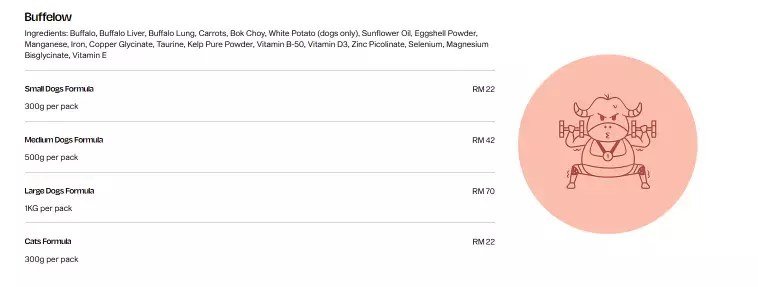
Whether you’re picking out kibbles or cooked meals, the ingredient list is your first line of defence.
Here’s what to look out for:
1. Real meat as the first ingredient
- Look for named meat sources like "chicken," "beef," or "lamb."
- Avoid vague terms like "meat meal" or "animal by-product."
2. Shorter, clearer lists
- The fewer ingredients you don’t recognise, the better.
- Watch out for fillers like corn, wheat, or soy used in excess.
3. No artificial colours or preservatives
- These don’t add nutritional value and may cause sensitivities in some dogs.
4. Added supplements
- Look for dog-friendly vitamins (like B-complex, E) and joint-supporting nutrients (like glucosamine or omega-3s).
If you're ever in doubt, consult with a vet or pet nutritionist to break down what's really in your dog’s bowl.
So, Which Should You Choose?
When it comes to kibbles vs cooked food, it all comes down to what works best for your dog and your lifestyle. Here are a few questions to help you decide:
- Does your dog have allergies or a sensitive tummy?
- Do you have time to prepare cooked meals regularly?
- Is cost a concern? (Cooked food is generally more expensive.)
- How picky is your pup?
- Do you prefer the convenience of kibble or the wholesomeness of cooked meals?
Some pawrents opt to mix both, offering kibble in the morning and cooked food in the evening, or rotating based on availability.
At the end of the day, the best food is the one that keeps your dog happy, healthy, and full of tail wags — and that you can sustain long-term.
What We Feed at Fetch Me Later
At FML, we’ve fed a wide variety of diets over the years — from trusted kibbles to fresh, home-cooked meals. Whether it’s for our in-house dogs or our resort guests, our feeding philosophy always prioritises:
- High-quality, digestible ingredients
- Complete and balanced nutrition
- Consistency in feeding times and portions
We’ve seen firsthand how different diets work for different dogs. Some pups thrive on premium kibbles, while others do best with gently cooked meals. What matters most is paying attention to your dog’s energy levels, stool quality, skin and coat condition, and overall behaviour. No two dogs are exactly alike — and that’s okay.
Our Kibble Pick: Farmina
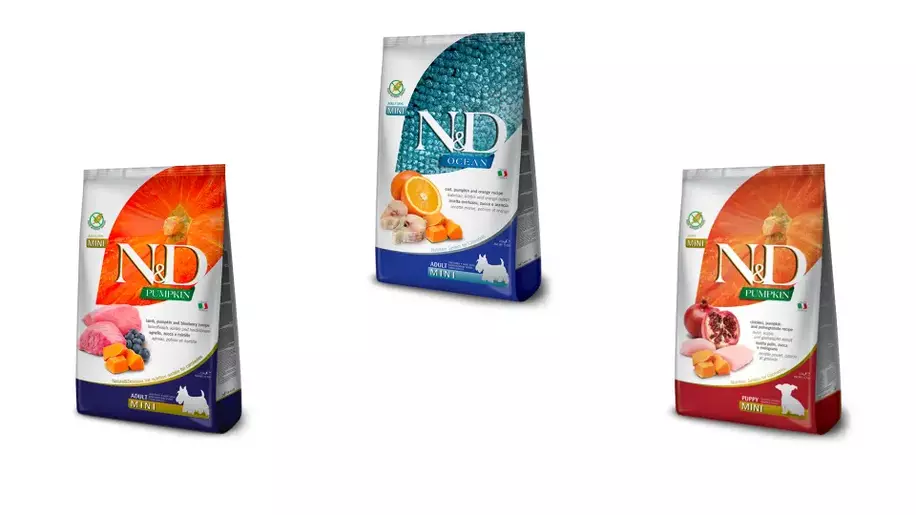
When it comes to kibble, one brand we personally recommend — and feed our own dogs — is Farmina.
Farmina blends nature and science to create a truly high-quality, grain-free kibble range. They only use first-choice raw materials and prioritise natural preservation, steering clear of artificial preservatives and GMOs. Their recipes also include natural antioxidants and are preserved in a protective atmosphere (nitrogen-flushed bags) to keep nutrients fresh.
Here are a few Farmina formulas we love at FML:
- N&D Ocean Cod, Pumpkin & Orange
A tasty fish-based option that’s great for dogs with poultry sensitivities. It’s loaded with cod, fish oil, pumpkin for digestion, and antioxidant-rich fruits like orange and pomegranate. - N&D Quinoa Digestion with Lamb, Fennel, Mint & Artichoke
Designed for dogs with sensitive stomachs, this formula supports better digestion with a mix of lamb and gut-friendly ingredients like fennel and mint. - N&D Pumpkin Chicken & Pomegranate (Puppy Formula)
Tailored for growing pups, this complete and balanced recipe combines high-quality chicken with pumpkin and pomegranate to support healthy development.
These kibbles are a reliable choice for busy pawrents who want a nutritionally sound, science-backed diet that’s also convenient to serve.
Our Cooked Food Pick: Licks & Bites

If you’re leaning towards a cooked diet, Licks & Bites is our go-to recommendation — and yes, their meals are available for purchase at our location.
Licks & Bites is run by fellow pet parents who are serious about nutrition. Their cooked meals are NRC-complete and balanced, meaning they meet science-based nutritional standards and have been tested both in labs and on their own pets.
What we love most? Their food isn’t just good on paper — dogs genuinely love it. Even the pickiest eaters at our resort have licked their bowls clean.
A few Licks & Bites recipes we regularly feed (and keep stocked at FML):
- Chick Flick
A balanced chicken-based recipe with chicken liver, bok choy, and carrots — packed with the right mix of vitamins and minerals for all-around health. - Buffelow
Made with buffalo meat, liver, and lung, this red meat option is iron-rich and great for dogs that need a more novel protein source or extra energy. - Dunkin Do'Duck
Duck-based and nutrient-dense, this formula includes duck liver, egg, and psyllium husk for digestion — perfect for pups needing a softer, richer protein.
These cooked meals are a great option if you prefer something fresh, human-grade, and scientifically balanced. Bonus: they’re easy to portion and reheat, making them more convenient than full-on home cooking.
Keep It Balanced, Keep It Real
Feeding your dog shouldn’t feel overwhelming. While the internet may be full of extreme opinions, the truth is simple: balanced nutrition, given consistently and with love, will go a long way.
Whether you go the kibble route, the cooked path, or a mix of both, choose what aligns with your dog’s needs, your lifestyle, and your values.
And remember: your pup doesn’t need perfection. They just need a bowl that’s filled with love (and maybe a few extra treats on the side)!
