
Teeth Scaling for Dogs: Why Non-Anaesthetic Scaling is Best
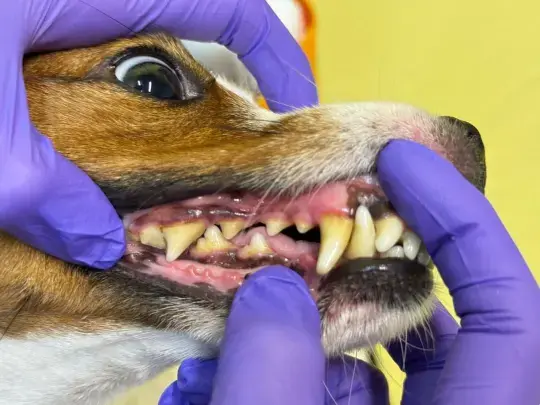
Teeth Scaling for Dogs in Malaysia: Why More Pet Parents Are Choosing Non-Anaesthetic Scaling
That doggy breath you’ve been trying to ignore? It might be more serious than you think.
Just like us, dogs need consistent dental care to stay healthy. And yet, dental disease is one of the most overlooked health issues in pets. By the age of 3, over 80% of dogs show signs of oral disease—often without their owners realising it.
So, what’s the best way to keep your dog’s teeth clean? Brushing helps, but it’s not always enough—especially when tartar starts to build up. That’s when professional dental scaling comes in.
In this guide, we’ll walk you through everything Malaysian pet parents need to know about dog teeth cleaning—why it matters, how often it should be done, and why more people are turning to non-anaesthetic scaling with Fetch Me Later (FML) for a safer, gentler experience.
Why Your Dog’s Dental Health Matters More Than You Think
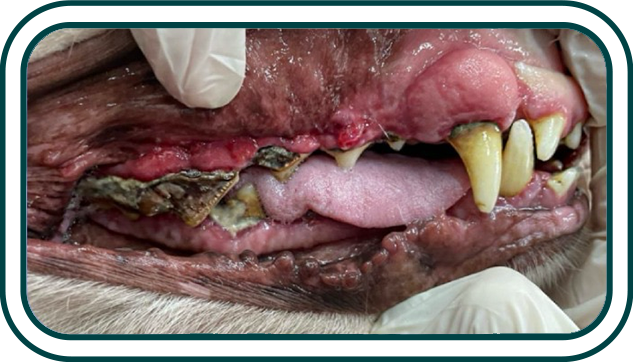
Before teeth scaling at FML.
Dental health is often seen as a cosmetic issue, but it goes much deeper than that. Poor oral hygiene can lead to plaque and tartar buildup, which in turn can cause gum disease, tooth decay, and even organ infections.
Here are common signs your dog might already be experiencing dental issues:
- Bad breath (halitosis)
- Yellow or brown staining on teeth
- Drooling more than usual
- Swollen or bleeding gums
- Trouble eating or chewing
- Pawing at the mouth
- Weight loss or change in appetite
Left untreated, dental disease can lead to tooth loss and bacteria entering the bloodstream, affecting the heart, kidneys, and liver.
Cleaning Your Dog’s Teeth at Home: A Good Start
Brushing your dog’s teeth at home is a solid foundation for dental care. Ideally, it should be done daily, but even 2 to 3 times a week can make a difference.
Here's how to do it right:
- Choose the right tools: Use a toothbrush designed for dogs—either a finger brush or one with soft bristles. Human toothbrushes may be too harsh.
- Use dog-safe toothpaste: Never use human toothpaste. Many contain xylitol or fluoride, which are toxic to dogs. Look for vet-approved options in dog-friendly flavours like chicken, beef, or peanut butter.
- Brush gently: Lift your dog’s lips and brush in small circles along the gum line. Focus on the outer surfaces, where plaque tends to accumulate.
- Build a routine: Make teeth cleaning part of your weekly schedule so your dog learns to expect it.
If brushing isn’t an option, there are dental sprays, gels, and chews that can help reduce plaque, but they aren’t a full substitute for brushing or professional cleanings.
When At-Home Brushing Isn’t Enough: Time for Scaling
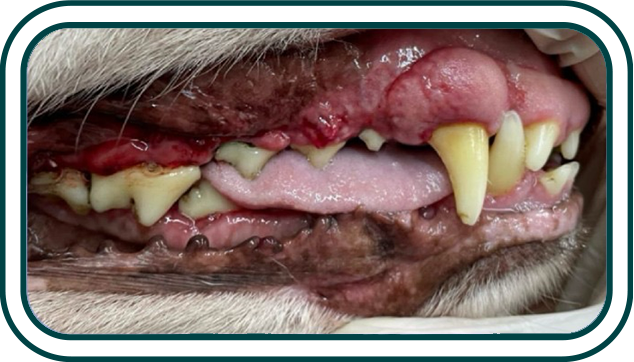
After teeth scaling at FML.
Even with regular brushing, some dogs still develop plaque and tartar, especially around the gum line where brushes can’t reach easily. Once tartar hardens, it can’t be removed at home. That’s where professional teeth scaling comes in.
Teeth scaling is the process of removing plaque and tartar using specialised dental tools. Traditionally, this is done by a vet under general anaesthesia, which allows for deep cleaning above and below the gum line.
But for many pet owners, anaesthesia feels like a big step, especially for older dogs or pets with health concerns. That’s why more and more Malaysians are turning to non-anaesthetic scaling, a safer, gentler option that’s gaining popularity.
What Is Non-Anaesthetic Dental Scaling?
Non-anaesthetic dental scaling (also known as non-sedated scaling) is exactly what it sounds like: your dog gets a full dental cleaning without being put under anaesthesia.
At Fetch Me Later (FML), we offer this service as part of our commitment to gentle, holistic care. Our dental hygienist is trained to perform stress-free dental scaling in a calm environment, using gentle handling techniques and professional-grade tools.
Here’s what makes it different:
- ✅ No sedation needed – no risk of anaesthesia complications
- ✅ Quick recovery – your dog can walk, eat, and play as usual after
- ✅ Ideal for seniors – perfect for dogs with age or health concerns
- ✅ Visible results – tartar is removed, and teeth look noticeably cleaner
- ✅ Holistic care mindset – part of our overall approach to preventive wellness
We also take the time to assess each dog’s temperament and oral health to make sure this is the right option for them. If the buildup is too advanced or your dog is showing signs of dental pain, we’ll recommend a vet visit instead.
Is Non-Anaesthetic Scaling Right for Your Dog?
Non-anaesthetic scaling works best for:
- Dogs with mild to moderate tartar
- Dogs who are generally calm or used to grooming
- Older dogs or pets with health risks that make anaesthesia unsafe
- Pet parents who want a regular maintenance routine
However, if your dog has:
- Severe tartar buildup
- Inflamed or bleeding gums
- Loose or broken teeth
- Oral pain or abscesses
…a visit to the vet is recommended first. In those cases, deeper cleaning under anaesthesia may be necessary to prevent pain or complications.
How Much Does It Cost in Malaysia?

At FML, non-anaesthetic scaling starts at RM200, depending on your dog’s size and dental condition. Since no sedation or surgery is involved, costs are often more affordable than traditional scaling at a vet clinic.
Want to know your dog’s estimated cost? Simply send us a photo of their teeth via WhatsApp or social media — we’ll get back to you with a personalised quote.
This approach not only saves time but also helps you make an informed decision before committing to a full session.
How Often Should You Schedule a Professional Cleaning?
The answer depends on your dog’s:
- Age
- Breed
- Diet
- At-home routine
Smaller breeds, for example, tend to be more prone to dental issues and may benefit from cleanings every 6 months. Larger breeds with healthier teeth might need it only once a year.
We recommend starting with one session and then letting our team evaluate your dog’s condition and suggest a suitable maintenance plan.
What to Expect After a Non-Anaesthetic Scaling Session
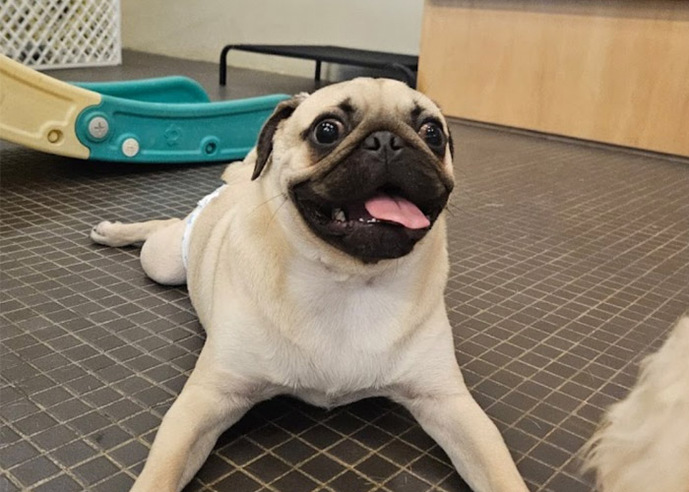
Most dogs walk out of their appointments feeling perfectly normal—no grogginess, no stress, no downtime.
You’ll notice:
- Visibly cleaner teeth
- Improved breath
- Reduced tartar along the gumline
We’ll also provide simple tips to help maintain your dog’s oral hygiene at home and stretch the time between cleanings.
Your Dog Deserves a Healthy, Happy Smile
Dental health isn’t just about fresh breath or pretty teeth—it’s about giving your dog a better quality of life.
By taking care of their teeth early and regularly, you help prevent pain, disease, and costly vet visits down the line.
And with non-anaesthetic dental scaling from Fetch Me Later, you now have a gentler, safer way to keep your pup’s mouth healthy, without the stress of sedation.
Ready to Book?
Send us a photo of your dog’s teeth for a quick assessment, or book your non-anaesthetic scaling session today. Clean teeth, fresh breath, and a healthier pup await.
