
Dog Poop Explained: Colour, Texture, and What It Means
Dog Poop Explained: Colour, Texture, and What It Means
Dog poop. Not the most glamorous part of pet parenting, but definitely one of the most telling. Your dog’s poop is like a window into their overall health. From colour to consistency, each detail offers important clues about your dog’s diet, digestion, and possible health concerns.
In this guide, we’ll break down what healthy poop should look like, what signs to watch out for, and when it’s time to act. Whether you're a new dog owner or an experienced paw-rent, this breakdown will help you feel more confident — and a little less squeamish — about keeping an eye on your pup’s number twos.
What Does Healthy Dog Poop Look Like?
Let’s start with the gold standard. A healthy dog poop usually ticks all these boxes:
- Medium brown in colour (think chocolate, not red velvet)
- Firm and well-formed (log-shaped, not too dry or too soft)
- Easy to pick up without smearing or crumbling
- Consistent in size and frequency, depending on your dog’s diet and age
Generally, dogs should poop 1–2 times a day — more for puppies or high-fibre diets. While occasional changes are normal (especially after new foods or stressful events), persistent changes are worth investigating.
Colour Check: What Different Dog Poop Colours Can Mean
The colour of your dog’s poop can be one of the first signs something’s not quite right. Here’s a quick breakdown of what different colours could mean — and whether you should worry.
Pro tip: Always observe over two or more poops before jumping to conclusions. A single odd stool isn’t always cause for alarm.
Dog Poop Colour Guide
Colour | Possible Causes | What You Should Do |
|---|---|---|
| Brown (light to dark) | Normal, healthy digestion | No action needed |
| White / Chalky | Too much calcium or bone (common in raw-feed dogs) | Adjust bone content in diet, monitor |
| Grey / Greasy | Fat malabsorption, pancreas issues | Visit your vet for enzyme or digestion checks |
| Yellow / Orange | Artificial food colouring, or liver/bile issues | Review diet, monitor — see vet if persistent |
| Green | Grass consumption or gallbladder trouble | Rule out grass-eating; see vet if it continues |
| Black / Tar-like | Bleeding in the upper GI tract (digested blood) | Immediate vet visit recommended |
| Red streaks | Fresh blood from the colon or rectum (e.g. irritation, parasites) | Schedule a vet appointment ASAP |
✅ What to Look Out For:
- Changes lasting more than 48 hours
- A sudden switch in colour not linked to food
- Presence of mucus, blood, or greasy coating
- Recurring green or grey stools despite a steady diet
If you're unsure, snap a photo and track it. Patterns can help your vet (or your FML concierge) figure out the cause faster.
Speaking of poop, learn all about potty training in our 'Step-By-Step Potty Training Guide' blog!
Texture Talk: What Your Dog’s Poop Consistency Says
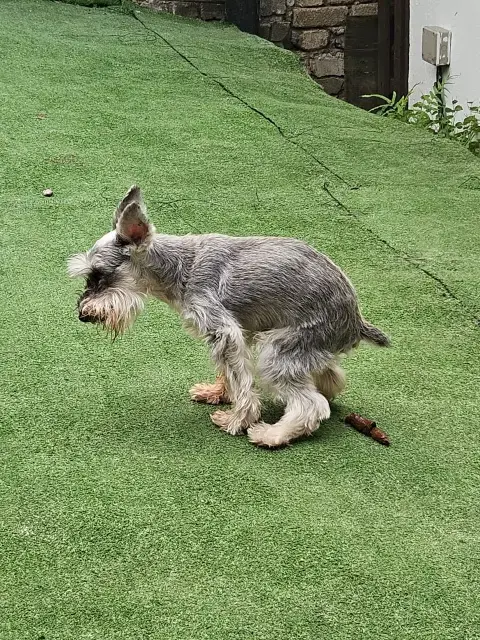
Poop that’s too soft, too hard, or a mix of both can tell you a lot about what’s happening inside your dog’s digestive system. Here’s how to make sense of it:
Common Textures and What They Mean:
1. Firm and Log-Shaped
- Normal
- Easy to pick up
- Not sticky or crumbly
2. Soft or Mushy
- Could signal poor nutrient absorption
- Often linked to low-quality or carb-heavy diets
- May improve with a better-quality or species-appropriate diet
3. Watery Diarrhoea
- Caused by: stress, parasites, viruses, high-fat treats
- Risk of dehydration
- Adult dog tip: Fast for 6–12 hours (but not puppies — consult a vet)
4. Mixed Consistency (e.g. start firm, end soft)
- Common in dogs with IBS or sensitive stomachs
- May point to food intolerances or gut imbalance
5. Hard and Dry
- Often caused by dehydration or too much bone
- It can be uncomfortable for your dog
- Try adding moisture-rich foods or healthy oils like coconut oil (½ tsp per meal)
6. Mucus-Covered
- Looks like a jelly coating
- Sign of inflammation or bacterial infection
- Watch for recurrence and consult your vet if it persists
Unusual Contents: What Shouldn’t Be in Your Dog’s Poop
Sometimes it’s not just the look — it’s what’s inside the poop that gives clues. Here's what to look out for:
1. Foreign Objects
- Grass: Usually harmless, but consistent grass in poop might signal digestive upset
- Plastic or toy bits: Could mean your dog’s chewing things they shouldn’t — monitor carefully
- Undigested food: Points to digestive enzyme issues or poor food absorption
- Fur: Excessive grooming or stress-induced licking
2. Worms
- Long, spaghetti-like or rice-shaped segments are visible signs of parasites
- These can be picked up from parks, soil, or contaminated water
- If spotted, head to your vet for appropriate deworming treatment
What You Can Do (Besides Holding Your Nose)
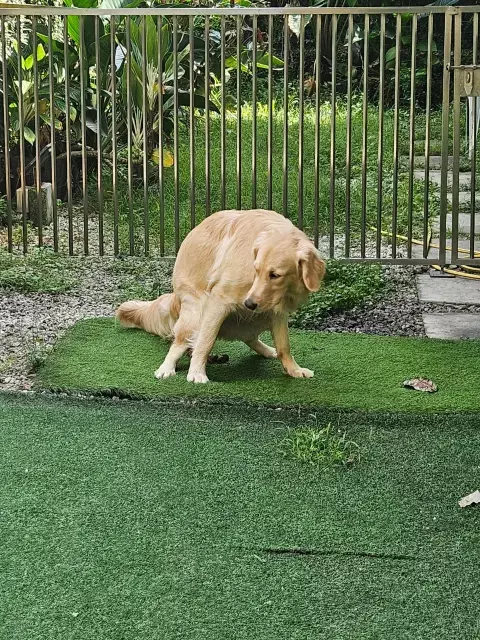
Worried about your dog’s poop? You’re not alone. It’s one of the most common concerns we hear from pet parents.
Here’s what we recommend:
1. Start a Poop Diary
- Track frequency, colour, texture, and odd contents
- Jot down any diet changes or stress triggers (e.g. travel, boarding)
2. Review Your Dog’s Diet
- High-processed, grain-heavy diets may lead to larger, looser poops
- Consider switching to high-protein, gut-friendly options
- Look into prebiotics or probiotics to balance the gut
3. Know When to See a Vet
- Diarrhoea lasting over 24 hours
- Black or red stools
- Presence of worms or recurring mucus
- Changes despite a stable, balanced diet
4. Use FML’s Concierge Pet Care
- Unsure about what you’re seeing? Snap a photo and send it to our WhatsApp careline.
- We’ll help you decode what’s going on — and what steps to take
- If needed, we’ll even connect you with a vet or suggest dietary changes
Wanna learn more than just poop? Learn potty training and more with our 'Beginner’s Guide to Positive Dog Training' blog!
A Simple Dog Poop Health Checklist
Tick off this list weekly to keep your dog’s gut in check:
- Poop is medium brown
- Firm and easy to pick up
- No blood, mucus, or greasy sheen
- Regular frequency (1–2x per day)
- No signs of pain or straining
- Nothing odd inside (e.g. worms, plastic, fur)
Poop Happens — But It Shouldn’t Be a Mystery
Monitoring your dog’s poop might not be the most exciting part of your day — but it’s one of the most reliable ways to catch health issues early.
At Fetch Me Later (FML), we’re here to help you care for your dog in every way — even the messy parts. If you ever feel unsure about what you're seeing, don’t wait it out. Reach out, send a photo, and get real help from real experts.
Need help understanding your dog's poop?
Snap a photo and message/contact us here! Our nannies will walk you through what’s normal — and what needs attention.
