
How to Potty Train Dogs: Complete Malaysian Guide for Different Breeds
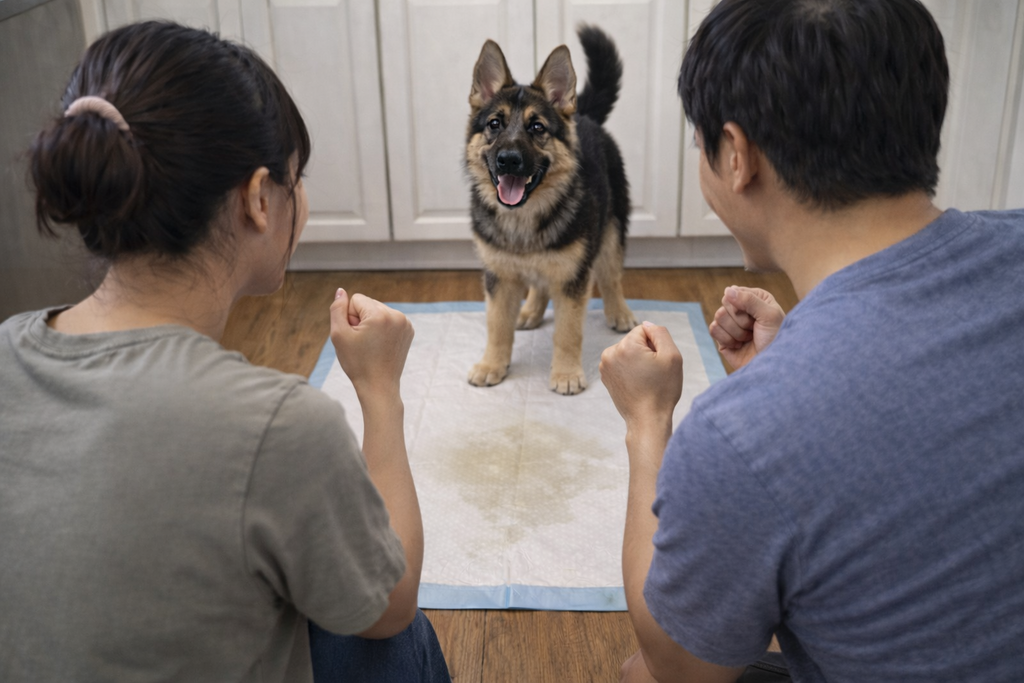
How to Potty Train Dogs: Complete Malaysian Guide for Different Breeds
Potty training is one of the first ( and toughest) challenges every dog owner faces. And if you're living in Malaysia, with condo living, rainy days and busy work schedules, learning how to potty train in a practical, sustainable way becomes even more important.
The good news?
Any dog can be potty trained with structure, consistency, and the right method tailored to your home and your dog’s personality.
This guide explains how to potty train dogs using a simple Touch Base Method, real-world schedules, and specific approaches for different dog breeds, sizes and temperaments. Whether you're training a tiny puppy or retraining an adult dog, this covers everything you need.
1. The Touch Base Method: Your Foundation for How to Potty Train Dogs
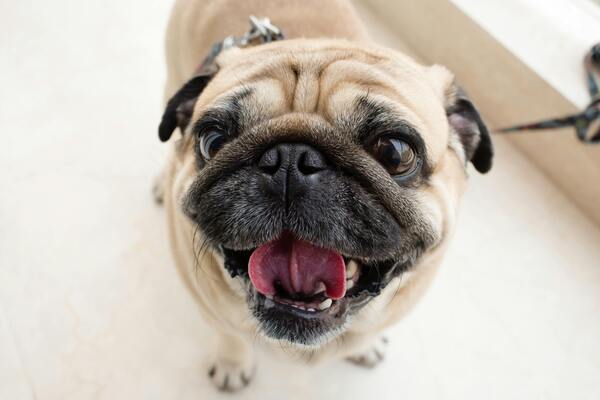
Learning how to potty train dogs becomes much easier when you follow a consistent framework. This method keeps things simple and predictable.
T - Timing
A fixed routine helps dogs understand when to eliminate.
- Puppies: every 1-2 hours
- Older puppies: every 2-4 hours
- Adults: every 4-6 hours
Timing matters because bladder control develops gradually.
O - Observation
Dogs show predictable signs when they need to go:
- Sniffing intensely
- Circling
- Whining
- Walking toward corners or doors
Recognising these signals early is key to mastering how to potty train dogs effectively.
U - Understanding Your Dog Type
Different breeds and personalities learn differently.
A Husky learns differently from a Shih Tzu, and differently from a puppy raised at 8 weeks.
C - Consistency
Use the same:
- Door
- Cue word
- Potty area
Consistency removes confusion and speeds up learning.
H - Home Setup
Prepare:
- A designated toilet area
- Crate or playpen
- Enzyme cleaner
- Leash for guidance
A structured environment is essential when learning how to potty train dogs in condos or small spaces.
BASE - Basic Essentials
No matter the dog, these rules apply:
- Frequent potty trips
- Immediate rewards
- Supervision indoors
- Prevent accidents instead of correcting them later
2. Step-by-Step Guide: How to Potty Train Dog Successfully
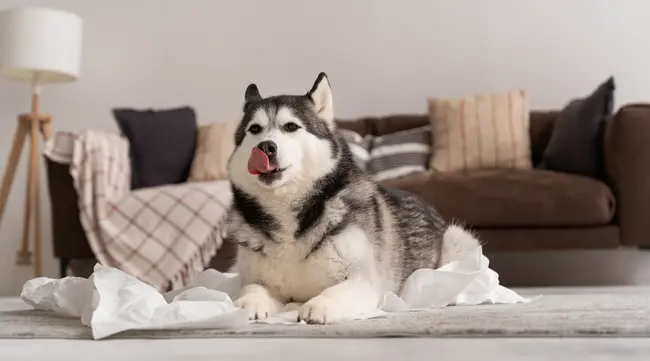
Step 1: Select a Designated Toilet Spot
Use the same area every time. Dogs follow scent patterns.
Step 2: Introduce a Cue Word
Say “Go potty” or “Pee pee” as the dog begins eliminating.
Step 3: Reward Immediately
Treat within 1–2 seconds.
Instant praise = clear communication.
Step 4: Supervise Indoors
Dogs who roam freely indoors will often pee secretly.
Supervision is the backbone of how to potty train dogs without regression.
Step 5: Clean Accidents with Enzyme Cleaners
These remove scent markers, preventing repeat accidents.
3. Practical Potty Training Schedules for Malaysian Homes
Schedules help your dog predict when and where to pee and is an essential part of how to potty train dogs properly.
Puppies (2–4 months)
- After waking
- After meals
- After play
- Before bedtime
- Every 1-2 hours
Older Puppies (4–6 months)
- Every 2–4 hours
- After meals
Adult Dogs
- 2–3 main outings
- Additional quick relief trips
Malaysia Condo Tip
Use:
- Balcony grass patches
- Indoor toilet trays
- Covered areas during heavy rain
This is extremely common for owners learning how to potty train dogs in an apartment.
👉 Explore our puppy training guide to further aid you with training.
4. Crate Training: One of the Most Effective Tools
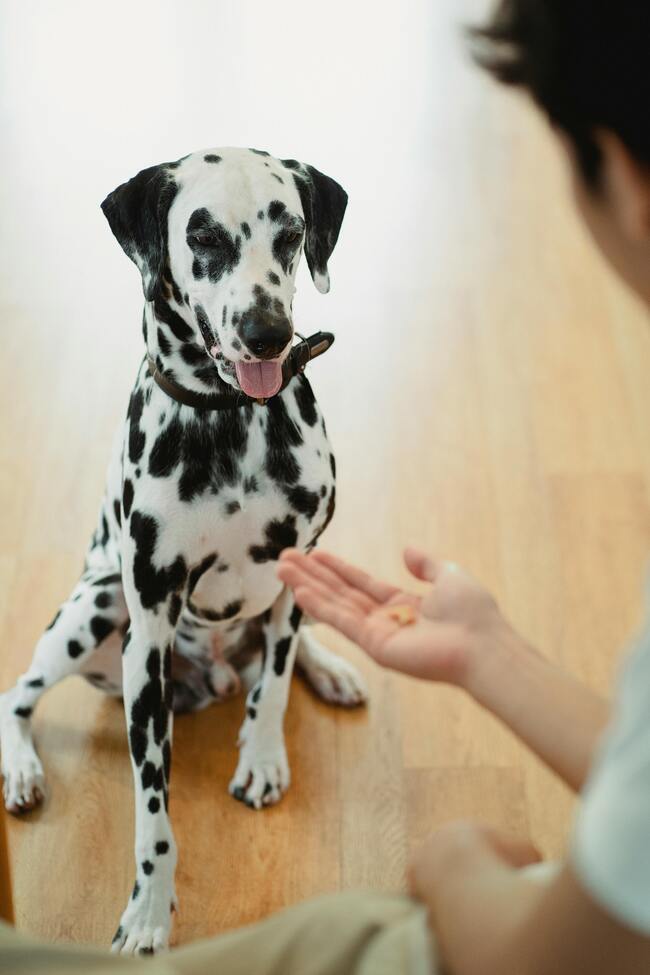
Crate training speeds up how to potty train dogs because dogs naturally avoid soiling their sleeping area.
How to use a crate correctly:
- Feed meals in the crate to build association
- Correct size: big enough to stand & turn
- Take dog outside immediately after crate time
Crate training is safe, humane, and highly effective when done right
👉 Read our full guide to crate training with 7 simple steps that work for dogs in condos or landed homes.
5. Puppy Pads: When to Use Them & How to Transition
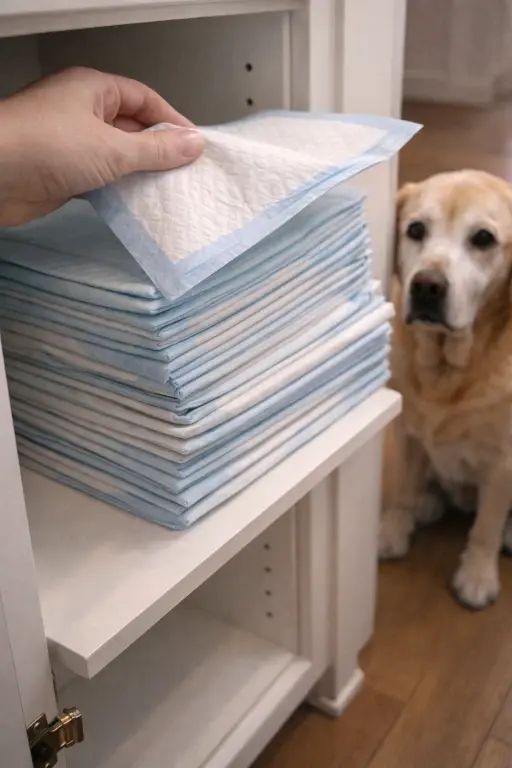
Puppy pads are helpful for:
- High-rise living
- Young puppies
- Rainy days
- Households with long working hours
Transitioning off pads:
- Move pads slowly toward the door.
- Shift pads outside.
- Reduce pad size gradually.
This smooth transition helps owners who started on how to potty train dogs indoors, move successfully to outdoor potty habits.
👉 Check out our KL-focused obedience training guide for practical tips suited for Malaysian lifestyles and living spaces.
6. How to Potty Train Dogs Based on Breed & Personality
Every dog learns differently. Tailoring your method improves results.
6.1 High-Energy Breeds
Examples: Husky, Border Collie, Malinois, Jack Russell
Traits: Easily distracted, restless, high stamina.
Best approach:
- Short play before potty to release energy
- Quiet, low-stimulation potty area
- High-value treats
6.2 Stubborn or Independent Breeds
Examples: Shiba Inu, Beagle, Dachshund, Bulldog
Traits: Strong-willed, selective listening.
Best approach:
- Short, frequent sessions
- Strict routines
- Leash-guided potty trips
Perfect for owners struggling with how to potty train dogs that ignore commands.
6.3 Small & Toy Breeds
Examples: Chihuahua, Pomeranian, Maltese, Yorkie
Traits: Small bladders, sensitive to cold/rain.
Best approach:
- Very frequent potty breaks
- Indoor-to-outdoor transition
- Easy-access toilet area
This is common for condo-living Malaysians.
6.4 Large Breeds
Examples: Golden Retriever, Labrador, GSD
Traits: Bigger bladders, eager to please.
Best approach:
- Fixed schedules
- Crate training
- Reward-based methods
6.5 Senior Dogs
Traits: Limited bladder strength, medical sensitivity.
Best approach:
- More frequent potty breaks
- Easy-access toilet spots
- Vet checks when needed
6.6 Anxious or Fearful Dogs
Traits: Fear of outdoors, loud noises, unfamiliar surfaces.
Best approach:
- Quiet designated potty space
- Calm tone
- Gentle confidence-building
7. Reward System That Supports Fast Learning
Use:
- Small treats
- Immediate praise
- Consistent marker (e.g., “Good potty!”)
Avoid:
- Late rewards
- Scolding or punishment
Reward timing is critical in how to potty train dogs using positive methods.
8. Troubleshooting: Common Potty Training Problems
Indoor peeing right after coming inside
Stay outside longer; reduce distractions.
Regression after progress
Normal. Return to stricter structure for 3–5 days.
Night accidents
Move dinner earlier + add a late-night potty break.
Marking behaviour
Increase supervision; consider vet consultation.
9. How Long Does It Take to Potty Train A Dog?
Consistency is the biggest factor in how to potty train dogs successfully.
10. The 10-10-10 Rule
A simple structure to accelerate training:
- 10 minutes in potty area
- Stay within 10 feet
- Give 10 micro rewards
This reinforces good habits quickly.
11. When to Get Professional Help
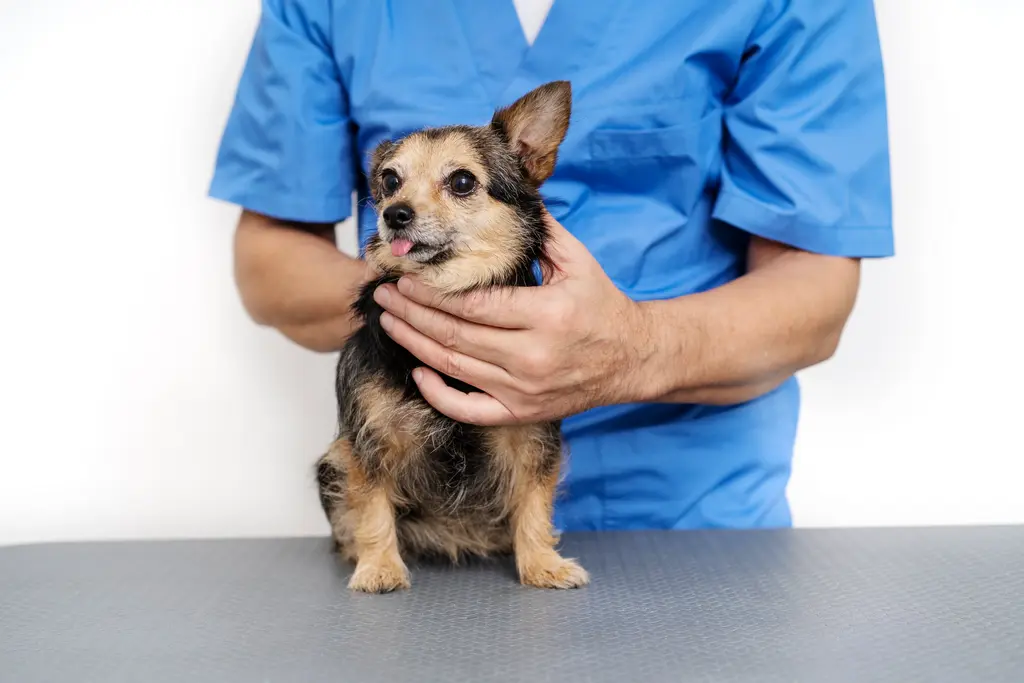
Seek help if your dog shows:
- Anxiety outdoors
- Frequent unexplained accidents
- Signs of medical discomfort
Even so, understanding how to potty train dogs at home gives you a strong foundation before seeking expert support.
👉 Discover the services we offer or get in touch here.
Now You Can Master How to Potty Train Dogs
Potty training takes time, patience, and structure, but with consistency, positive reinforcement, and the Touch Base Method, every dog can learn. Whether you’re training in a condo or landed home, working with a puppy or adult, the steps above make how to potty train a dog realistic, achievable, and stress-free.
Your home gets cleaner.Your dog becomes happier and more confident.
And you build a stronger bond in the process.
