
The Ultimate Guide to Dog Training in Malaysia
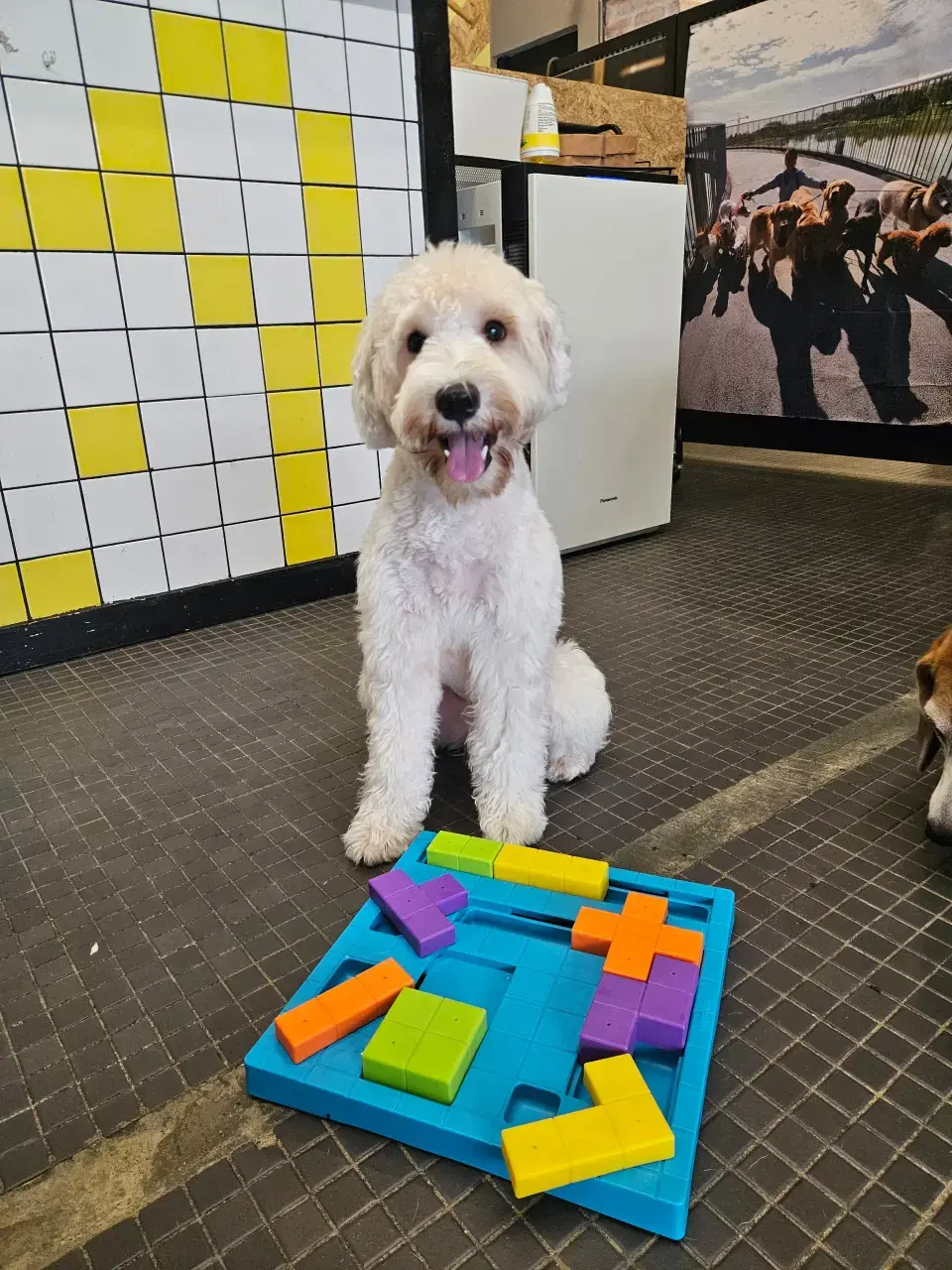
The Ultimate Guide to Dog Training in Malaysia: Start Smart, Train Right
Is dog training just about teaching your furry friend to sit or stay? Well, yes, but it’s wayyy more than that; training your dog also includes building a healthy, lifelong bond through communication, patience and consistency. Whether you're bringing home a new puppy or trying to correct your senior dog’s habits, training can make a world of difference in both your lives.
In this ultimate guide, we break down every major aspect of dog training, especially tailored for Malaysian dog owners.
From toilet training and crate routines to obedience basics and puppy training, we’ve compiled everything into one easy-to-follow guide — with links to even more in-depth resources for each training area.
Why Dog Training Matters: More Than Just Good Manners
Dog training is about shaping behaviour — not just controlling it. A well-trained dog is easier to care for, safer to be around and more confident navigating the world. Training also improves your relationship by creating a shared language between you and your pup.
In Malaysia, where dogs live in urban condos as much as they do landed homes, good behaviour is not a luxury — it’s essential. Imagine a dog that doesn’t bark unnecessarily, walks calmly on a leash, or knows when to potty. It’s possible, and it all begins with a smart approach to training.
Puppy Training: Start Them Off on the Right Paw
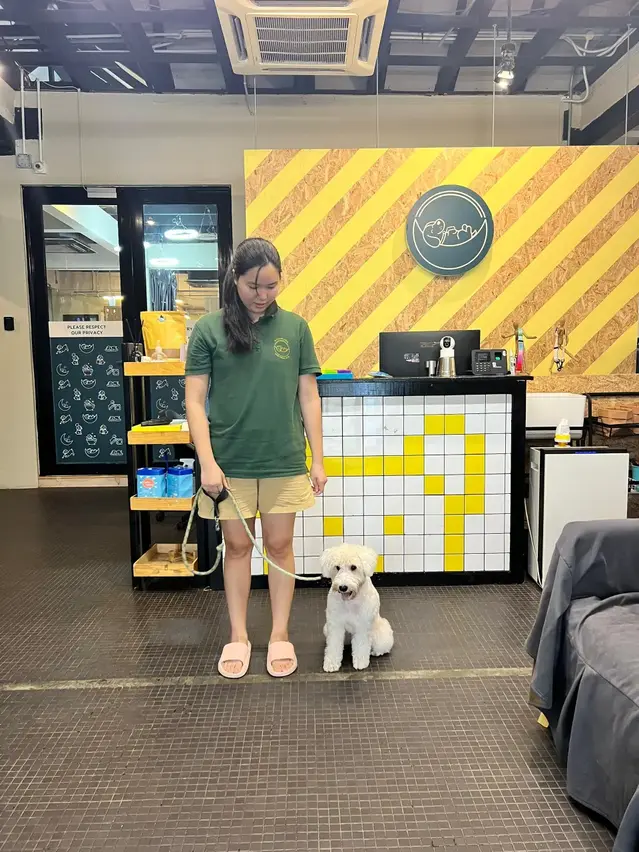
Puppyhood is the golden window for learning. Most experts agree that puppy training should begin as early as 8 weeks old — the moment your pup comes home.
You’ll want to cover:
- Name recognition
- Basic commands like “sit,” “come,” and “no”
- Socialisation with people, pets, and new environments
- Handling and grooming routines
- Bite inhibition and gentle play
This stage lays the foundation for future behaviours. Consistency is your best friend — and so is patience. Puppies are still learning the world, so give them space to grow while guiding them with firm, gentle cues.
👉 Read our full guide on puppy training to explore the dos and don’ts in detail.
How to Potty Train a Dog Without Stress
Accidents are a rite of passage — but they don’t have to last forever. Whether you’ve got a puppy or an adopted adult, how to potty train a dog is one of the most common concerns among Malaysian dog owners.
Here’s what works:
- Create a fixed schedule: Meals, walks, and toilet breaks at the same time daily.
- Pick a consistent potty spot: Outdoors or a designated area indoors (like pee pads or fake grass).
- Watch for signs: Sniffing, circling, whining = time to go.
- Praise immediately after success: Right after they finish, not minutes later.
Don’t forget to clean up properly after accidents with enzymatic cleaners — it removes lingering odours that may encourage repeat offences.
👉 Explore our full guide on how to potty train a dog for step-by-step routines and tips tailored for Malaysian homes.
Crate Training: A Safe Space, Not a Punishment
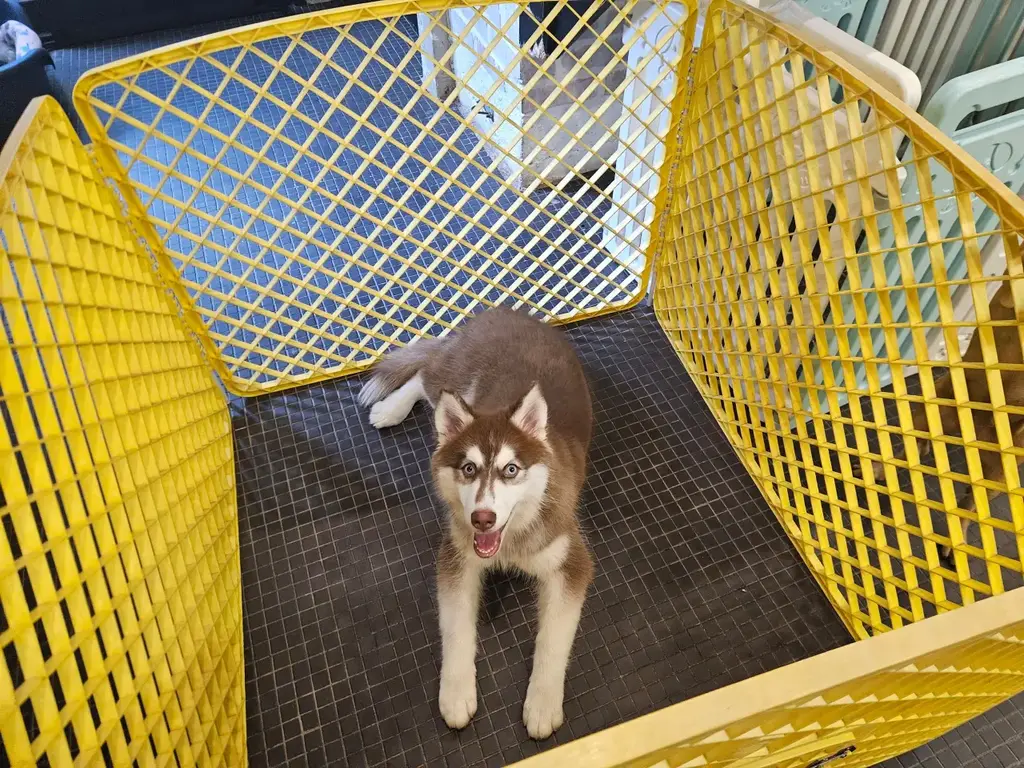
Crate training has a bad rep in some circles, but when done right, it becomes your dog’s safe space. Think of it as a den — a quiet, cosy place they can retreat to when they need rest or calm.
Benefits of crate training include:
- Faster potty training
- Safe containment when unsupervised
- Reduced anxiety
- Smoother travel and vet visits
The key is to introduce the crate gradually and positively. Use treats, comfy bedding, and start with short periods before building up.
👉 Follow our guide to crate training with 7 simple steps that work for dogs in KL condos or landed homes.
Obedience Training Dogs in KL: Where to Begin

Training isn’t complete until your dog knows how to listen to you — even with distractions. Obedience training dogs is about teaching essential commands that keep them safe and well-behaved in public or at home.
Start with the basics:
- Sit
- Stay
- Come
- Leave it
- Heel
These commands improve impulse control, especially useful in high-stimulus settings like city parks, cafes, or lifts. For many Malaysians, walking your dog without pulling or barking can make or break your daily routine.
Not sure how to begin?
👉 Check out our KL-focused obedience training guide for practical tips suited for Malaysian lifestyles and living spaces.
How to Train a Dog the FML Way
Whether you’re just starting or troubleshooting mid-way, our approach to dog training is all about clarity, consistency, and compassion. Here are the cornerstones of training the FML way:
- Set realistic goals: Don’t expect instant results. Small wins lead to big victories.
- Understand your dog’s breed and temperament: Some dogs need more stimulation, others more structure.
- Use short, regular sessions: 5–15 minutes per session, several times a day.
- Stay consistent: Different rules from different family members = confused pup.
- End on a positive note: Finish each session with praise or play.
The goal is to guide, not to dominate. Training should be something your dog looks forward to — not something they fear.
👉 Get our full guide on dog training the FML way for more in-depth strategies.
Common Dog Training Challenges and How to Overcome Them
Even with the best intentions, training rarely goes perfectly. Here are some typical roadblocks and tips to navigate them:
1. Lack of Focus
Solution: Train in low-distraction areas first. Use high-value treats and gradually increase distractions.
2. Slow Progress
Solution: Keep a training journal to track wins. Celebrate small improvements — they add up.
3. Regression
Solution: Go back to basics. Sometimes dogs need a refresh, especially during big life changes (new home, baby, etc.).
When to Consider Professional Help
Sometimes, expert intervention makes all the difference — especially for:
- Reactivity or aggression
- Separation anxiety
- Leash-pulling or barking that won’t go away
- Multi-dog households with conflict
Look for trainers in Malaysia who use reward-based methods and have credentials or testimonials. A few structured sessions can help both you and your dog reset.
The FML Philosophy: Train With Love, Not Fear
At Fetch Me Later (FML), we believe every dog deserves to thrive — and that begins with thoughtful training. Whether you’re teaching a puppy to sit, or helping a senior dog break old habits, the journey is worth it.
We’ve written individual guides on every major dog training topic not just to inform, but to empower you to make decisions that are best for your lifestyle and your furry friend.
Final Woof: Your Dog’s Best Life Starts With Yo
Dog training isn’t a one-time event — it’s an ongoing conversation with your dog. But you don’t have to do it alone. With the right resources, a little patience, and a lot of heart, you’ll raise a confident, happy, and well-adjusted companion.
From puppyhood to senior years, every moment you invest in training pays off in stronger bonds, smoother routines, and a happier life — for both of you.
